Grain of sand
Geologists define sand by size alone: anything from a sixteenth of a millimetre to two millimetres, whatever it is made of.
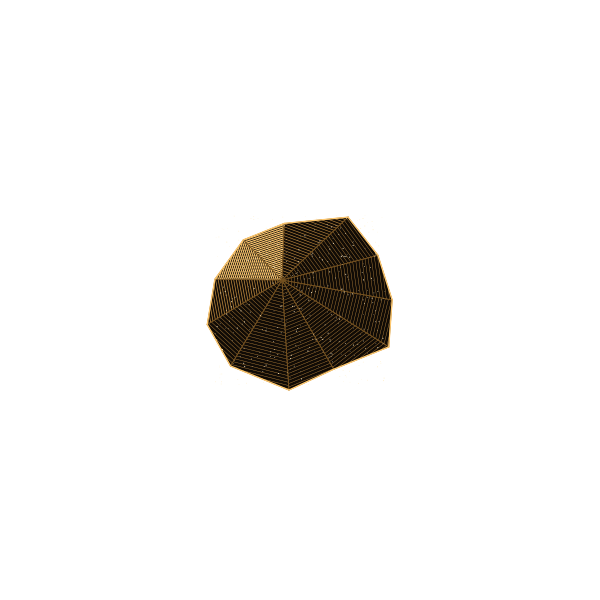
Sand is not a material but a size class. On the Wentworth scale used by geologists, a sand grain measures between 0.0625 and 2 millimetres; anything finer is silt, anything coarser is gravel. A grain one millimetre across sits on the line between coarse and very coarse sand.
Most sand on continental beaches is quartz, silicon dioxide weathered out of granite and similar rocks over millions of years. Quartz survives because it is hard and resists chemical attack. Elsewhere sand tells other stories: the white beaches of many tropical islands are ground coral and shell, some of it passed through the guts of parrotfish; Hawaii has black beaches of volcanic basalt; and a few beaches glint green with olivine.
A one-millimetre quartz grain weighs about a milligram and a half. It is about the size of a pinhead, and three dust mites could lie along it nose to tail.
The old question of whether there are more grains of sand on Earth's beaches or stars in the universe has rough answers. Estimates for beach sand run from about 10¹⁸ to 10²¹ grains, while estimates for stars in the observable universe run from about 10²² upwards, so most calculations favour the stars.
- Size
- 1 × 10⁻³ m
- Size range
- 0.0625–2 mm
- Common mineral
- Quartz (SiO₂)
- Mass of 1 mm grain
- about 1.4 mg